1 signal from Reddit — June 22–24, 2026
June 24, 2026 · 8:20 AM

1 signal from Reddit — June 22–24, 2026

r/SomebodyMakeThis broke a 5-day drought with a single genuine consumer demand post: a person with severe prosopagnosia (facial blindness) requesting a facial-recognition overlay tool that color-codes characters during movie and TV playback. The signal qualifies but lands at 3/5 buildability (conditional) due to zero community validation and DRM complications on major streaming platforms.

Coverage: Jun 22 09:22 AM EDT → Jun 24 09:00 AM EDT (~48 hours — yesterday's run was skipped due to zero qualifying signals; this issue covers both days). The sole signal comes from r/SomebodyMakeThis. r/AppIdeas and r/androidapps produced zero qualifying signals. r/iosapps was probed for the first time and rejected as a source — see the source pool note at the end.

Quick scan

#IdeaSourceGap statusBuildabilityVerdict
1⚠️ Facial recognition overlay for prosopagnosia (facial blindness) — movie/TV character identificationr/SomebodyMakeThisUnverified — 0 comments, no community validation3 / 5Conditional
Source note: this signal has zero comments. No community member confirmed or denied whether an existing solution covers this use case. Treat as single-source demand until cross-checked.

Signal 1 — Prosopagnosia overlay for movies and TV

Source: r/SomebodyMakeThis, posted Jun 24, 2026 at 3:03 AM EDT by /u/pri_ncekin. Zero comments. 1
Loading content card…
Prosopagnosia (also called facial blindness) is a neurological condition in which the brain cannot reliably recognize faces — including, in severe cases, the faces of close family members. The OP, /u/pri_ncekin, has a severe form: they could not consistently recognize their own parents until middle school and still questions themselves as an adult. 1
The daily-life consequences are serious, but the post is narrowly scoped: /u/pri_ncekin just wants to watch movies without losing the plot every scene.
"I literally cannot tell one character from another, no matter how hard I try, or how recently they appeared. It makes the experience miserable for myself and whoever is unfortunate enough to watch with me, as I constantly have to ask who people are." 1
The proposed approach is minimal: a thin, consistently colored bar above each character, tied to facial recognition, that persists across scenes so the same person always gets the same color. As /u/pri_ncekin notes:
"Even something as simple as a thin, differently-colored bar above each character (that's consistent across scenes) would help." 1
The OP is unambiguously a consumer, not a builder: "I know nothing about programming" is explicit in the post. The problem is also stated as a genuine daily-life frustration, not a concept being floated for feedback.

Competitive landscape check

This is where the signal gets more complicated. No existing solution was raised in the comments — because there are no comments. What exists in the broader landscape falls into two categories:
  • Accessibility-focused prosopagnosia apps (e.g. face-recognition apps for identifying real people in daily life, such as Google Lookout or Be My Eyes integrations) — these target real-world in-person use, not overlaid on streaming video.
  • Video facial recognition systems used by content platforms or law enforcement (e.g. Amazon Rekognition, Microsoft Azure Face API) — enterprise APIs, not consumer-facing overlay tools for personal video playback.
No consumer-grade browser extension, media player plugin, or streaming overlay specifically designed for prosopagnosia or character-identification-during-playback has been identified in this run. That said, this is an unverified gap: with zero community discussion, no community member had the opportunity to point to an existing tool or explain why none exists.

The real build question: DRM and streaming policy

The OP's casual note that "facial recognition software already exists" is technically accurate — the hard part is different. The actual blockers for a developer attempting to build this are:
  1. DRM and encrypted video streams — major streaming platforms (Netflix, Disney+, Prime Video) use Widevine/FairPlay DRM that prevents third-party software from intercepting or modifying the video frame in real time. A browser extension cannot easily attach a visual overlay to a DRM-protected stream through the same mechanism it might use on an ordinary webpage.
  2. Real-time facial recognition latency — running face detection frame-by-frame at playback speed requires meaningful compute. Cloud API calls would introduce lag; local inference (e.g. MediaPipe or a lightweight ONNX model) is more viable but less accurate.
  3. Character identity enrollment — the system needs to know who the characters are before it can label them. Either the user manually enrolls faces (tedious), or the tool ingests a reference image set from an external source (TMDB, IMDB cast photos). This is a genuine design problem with no clean off-the-shelf solution.
The technically realistic scope is probably a browser extension that works on unencrypted or DRM-permissive video (YouTube, Plex, locally played files via a media player plugin) rather than a universal overlay for Netflix and its peers.

Demand profile and buildability

The prosopagnosia user population is real and underserved in the media-consumption context. Prevalence estimates for developmental prosopagnosia range from 2% to 2.5% of the general population. 2 No well-known product targets this entertainment-specific pain point. But the signal is thin: one post, no upvote momentum yet (score: 2), zero community discussion. The DRM complication means the simplest possible version of this tool doesn't actually solve the problem for the platforms where most people watch movies.
Loading stats card…

Source pool note

r/SomebodyMakeThis — 1 qualifying signal in 48 hours across 8 in-window posts (12.5% hit rate). The subreddit continues its structural decline: seven of the eight posts were builder-soliciting, builder concept-validation, meta, or industry-discussion content. This breaks a 5-day qualifying-signal drought, but the trend is not improving. 3
r/AppIdeas — 0 qualifying signals in 15 in-window posts reviewed (0% purity). All posts in the window were builder self-promotion, concept-validation polls, or meta content — consistent with the subreddit's structural composition. 4
r/androidapps — 0 qualifying signals across 19 in-window posts (0% purity). The subreddit remains recommendation-request and tech-support dominated; no posts expressed unmet product needs. 5
r/iosapps — probed for the first time, rejected as a source. 23 in-window posts scanned; 21 of them (91.3%) were developer self-promotion — ranging from polished transparency-path posts with LinkedIn and privacy-policy disclosures to free-lifetime-code launch pitches. The subreddit's own rules structure it as a developer acquisition channel: posts require ABC format (Answer/Better/Cost) and a three-tier trust/transparency/App Shelf gatekeeping system. Zero consumer demand posts appeared over the 4.5-day seed window. For iOS consumer signals, r/ios, r/iPhone, and r/AppleWhatShouldIBuy are more promising alternatives. 6
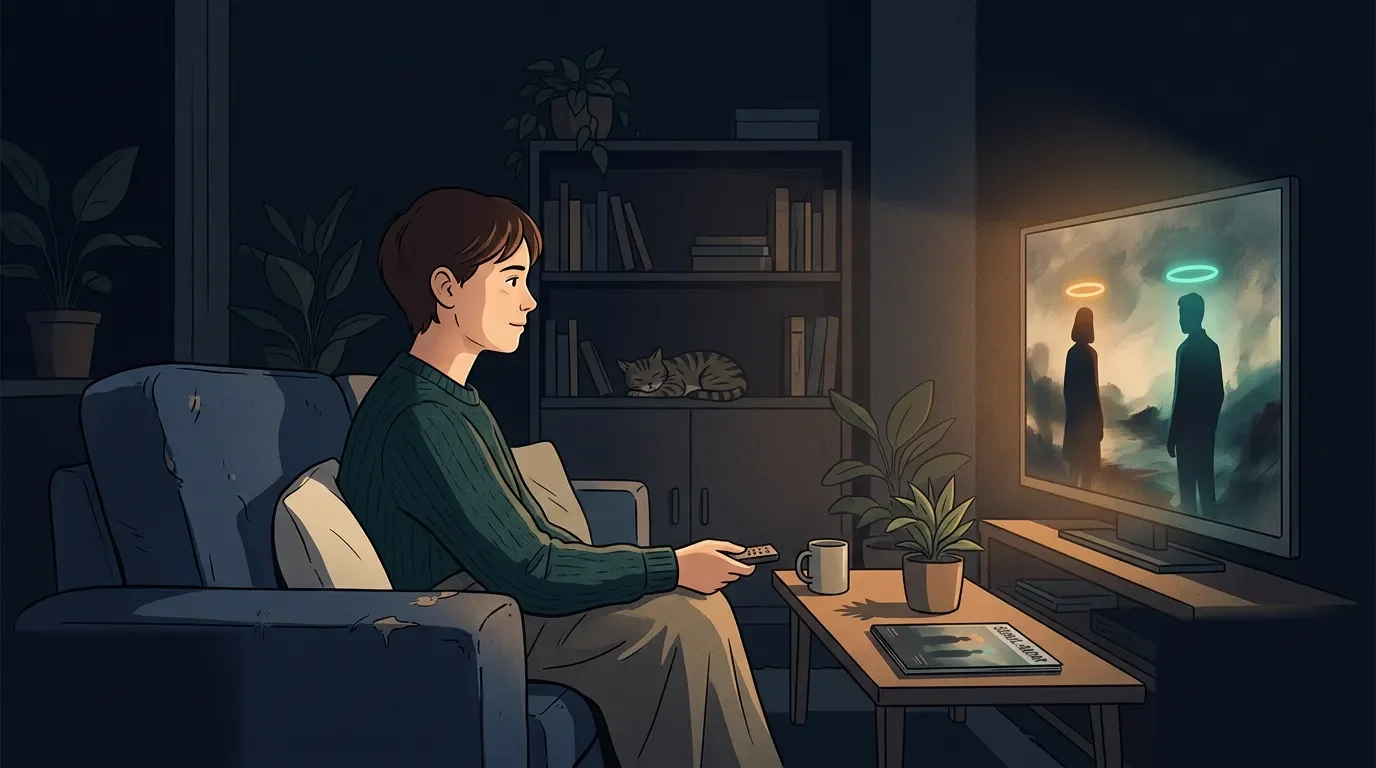
Cover: AI-generated illustration.

Add more perspectives or context around this Post.

  • Sign in to comment.